
Please read my disclosure policy to understand how I work with companies and individuals. Linking to a specific site does not imply endorsement of all of their services or content
Table Of Contents
- Leaving Before Safety And Reporting Steps Are Complete
- Waiting Too Long To Seek Medical Care
- Failing To Preserve Evidence
- Guessing About Fault Or Discussing Too Much
- Handling Insurance Communications Carelessly
- Overlooking Financial Losses And Vehicle Issues
- Settling Or Signing Documents Too Soon
- Final Checklist After An Accident
A personal injury accident can leave you shaken, uncomfortable, and unsure which decisions matter most. Whether the incident involved a car crash, a slip and fall, a bicycle collision, or another preventable injury, the steps you take in the hours and days afterward can affect your health, your records, and your ability to address related expenses. Readers looking for accident-related guidance can also find useful information at blakefriedmanlaw.com.
The goal is not to handle every issue at once. Start by protecting your immediate safety, getting appropriate medical attention, and preserving accurate information. Avoiding the following seven mistakes can help you respond calmly while leaving room to make informed decisions as the full impact of the accident becomes clearer.
Leaving Before Safety And Reporting Steps Are Complete
Safety comes first after any accident. Check yourself, passengers, and others for injuries. Call 911 when someone needs urgent medical assistance, when a roadway is unsafe, or when police assistance is needed. If a vehicle can be moved safely and there are no apparent injuries, move it out of active traffic when appropriate. Turn on hazard lights and avoid standing near moving vehicles.
Do not leave without exchanging basic contact, insurance, and vehicle information when another driver is involved. If the accident occurred in Nevada, the state’s crash reporting requirements specify when a report may be required, including situations in which law enforcement did not investigate the collision. Save the incident number, responding agency, and names of officers if a report is created.
Waiting Too Long To Seek Medical Care
One of the most expensive mistakes is assuming you are uninjured simply because you can walk away from the scene. Adrenaline, shock, and stress can conceal pain after a crash or fall. Headaches, dizziness, neck stiffness, back pain, numbness, bruising, or limited movement may appear later that day or several days afterward.
Prioritize Health Over Appearances
Follow emergency responders’ instructions and seek prompt evaluation when symptoms develop or worsen. Keep discharge papers, prescriptions, imaging results, referral notes, and appointment summaries. Attend recommended follow-up visits, since interrupted care can make recovery more difficult and leave important questions unanswered. Children, older adults, and people with existing medical conditions may need especially careful evaluation. An online article cannot diagnose an injury, so speak with a qualified medical professional about your symptoms.
Failing To Preserve Evidence
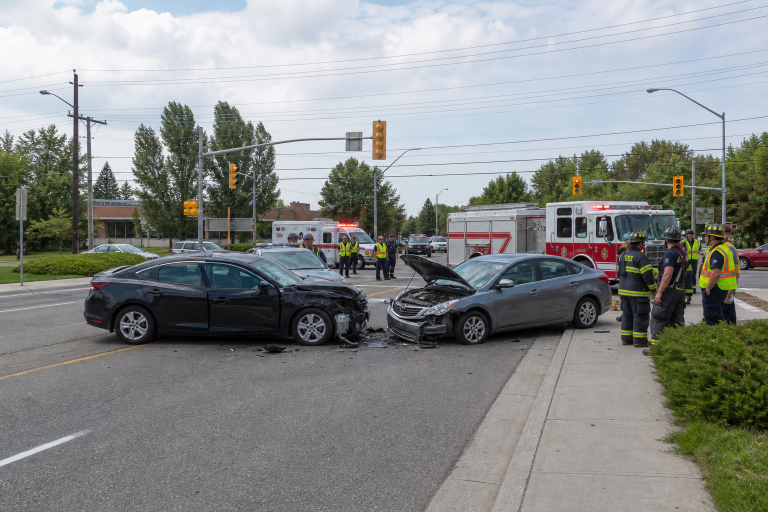
Evidence can disappear quickly. Vehicles are repaired, road conditions change, surveillance footage is overwritten, and witnesses become harder to reach. If it is safe to do so, take wide photos of the overall scene before taking closer photos of vehicle damage, debris, skid marks, traffic signals, lane markings, weather conditions, torn clothing, and visible injuries.
Collect names and contact details for witnesses, and write down what you remember while it is still fresh. Keep original photo and video files rather than editing them. Create one digital folder and one paper folder for police reports, medical records, bills, receipts, repair estimates, insurer correspondence, and work-related documents. A daily journal can also record pain levels, mobility limits, missed activities, and appointments that may otherwise be forgotten.
Guessing About Fault Or Discussing Too Much
After an accident, people often apologize reflexively or try to explain what they think happened. That can create confusion when the facts are not yet known. Stick to accurate, basic information when speaking with police, medical providers, and insurers. Do not estimate speed, distance, visibility, or fault if you are uncertain.
It is also wise to avoid arguments with the other person involved. Keep conversations brief and respectful, then let the available evidence, witness statements, and official reports help establish what occurred. Avoid posting accident details, photos, check-ins, or comments about your physical condition on social media. Even harmless-looking posts can be misunderstood when viewed without context.
Handling Insurance Communications Carelessly
Promptly reporting an accident to your insurer is usually important, but reporting does not require you to guess or minimize injuries. Provide truthful basic facts, request a claim number, and keep the adjuster’s contact information. Read your policy so you understand deadlines, available coverages, deductibles, and any requirements for vehicle inspections or repairs.
Keep Every Communication Organized
Save emails, letters, text messages, estimates, and notes from every call. Before giving a recorded statement, signing a medical authorization, or agreeing to a release, make sure you understand what is being requested and whether the information is accurate. Vehicle-damage issues and injury-related issues may move on different timelines, so a repaired vehicle does not necessarily mean the broader matter is resolved.
Overlooking Financial Losses And Vehicle Issues
Out-of-pocket costs can add up well beyond an initial medical bill. Save receipts for prescriptions, transportation, towing, storage, rental vehicles, repairs, medical equipment, parking, and travel to appointments. Keep pay stubs, time records, and employer correspondence that show missed work or reduced hours.
Do not drive a damaged vehicle if it has leaking fluids, smoke, broken wheels, steering problems, or major damage that may affect its safety. Photograph it before repairs begin, and ask questions about any total-loss valuation. If a child restraint is in the vehicle, consider whether it needs to be replaced. Federal car seat guidance after a crash can help families evaluate their next steps.
Settling Or Signing Documents Too Soon
An early settlement offer may feel tempting when bills are arriving, but it may not account for future treatment, ongoing pain, lost income, or other effects that have not yet become clear. A release can limit your ability to seek additional payment later, so review its terms carefully before signing.
Extra care may be appropriate when injuries are serious, fault is disputed, several vehicles are involved, the other driver is uninsured, a commercial vehicle is involved, or available insurance appears limited. The same is true when an accident affects a pedestrian, cyclist, motorcyclist, child, rideshare passenger, or a family coping with a fatal injury.
Final Checklist After An Accident
- Get to a safe location and call for help when needed.
- Exchange information and document the scene if it is safe to do so.
- Seek medical care and follow treatment recommendations.
- Report the incident and keep claim details organized.
- Save every photo, bill, receipt, record, and message.
- Do not guess about fault, overshare online, or sign documents hastily.
A calm and organized response can protect both your well-being and the information needed to address the consequences of an accident. Focus first on safety and medical care, then preserve records and take the time needed to understand your options.

