
Please read my disclosure policy to understand how I work with companies and individuals. Linking to a specific site does not imply endorsement of all of their services or content.
Key Takeaways
- Lavender offers far more variety than its familiar floral fragrance suggests.
- Depending on the blend, lavender can smell fresh, herbal, woody, powdery, or surprisingly warm.
- Ingredients such as citrus, vanilla, sandalwood, and other florals can dramatically change lavender’s personality.
- Lavender works beautifully in both traditional perfumes and modern fragrance combinations.
- Trying a perfume on your skin and letting it develop can help you decide whether it’s right for you.
Lavender Is More Than Just a Familiar Fragrance
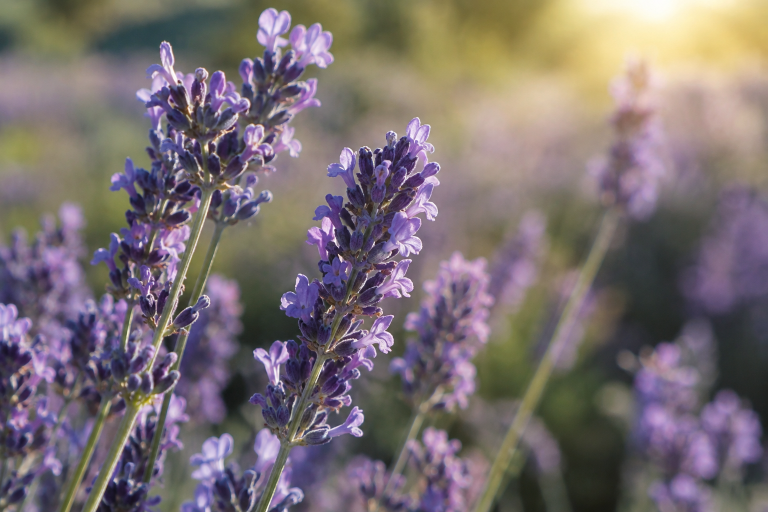
When you think of lavender, what comes to mind? Perhaps it’s a beautiful field of purple flowers, a favorite scented candle, or the comforting fragrance of freshly washed linens.
Lavender has long been associated with peaceful surroundings and familiar everyday comforts. But when it comes to perfume, this lovely plant has a few surprises waiting for us.
In fact, lavender is one of the most versatile ingredients in the fragrance world. Depending on how it’s blended, it can feel bright and refreshing, soft and romantic, earthy and sophisticated, or even warm and mysterious.
Exploring the different qualities of a lavender scent reveals just how much personality this familiar flower can bring to a fragrance.
Whether you already love lavender or have always thought of it as something reserved for soaps and sachets, you might be surprised by the possibilities.
What Does Lavender Actually Smell Like?
At its heart, lavender has a fresh, gently floral fragrance with distinctive herbal qualities. However, calling it simply floral doesn’t capture its complexity.
Fresh lavender can have a green, almost outdoorsy character that reminds us of growing plants and fragrant gardens. Some varieties offer a softer sweetness, while others have sharper, cooling notes.
In perfume, these characteristics can become even more interesting.
A fragrance featuring lavender and citrus might feel clean and energetic, while one blended with vanilla or amber could seem warm and comforting. Add woody notes, and the same lavender may take on an entirely different personality.
That’s part of what makes fragrance so fascinating. The ingredients work together to create something that can be quite different from what we initially expect.
Why Doesn’t Every Lavender Fragrance Smell the Same?
Have you ever tried two perfumes that both listed lavender as an ingredient, only to discover that they smelled almost nothing alike?
There are several reasons for this.
Different Types of Lavender
Lavender isn’t limited to a single variety. Different species and hybrids produce aromatic materials with varying levels of sweetness, freshness, and herbal intensity.
Some smell delicate and floral, while others have a stronger, almost medicinal sharpness.
Perfumers can select different lavender materials depending on the impression they want to create.
Where and How Lavender Grows
Just as growing conditions can influence the flavor of herbs or fruit, they can also affect lavender’s aromatic characteristics.
Climate, soil, altitude, and harvesting practices may all contribute to differences in the plant’s essential oil.
These variations give perfumers additional possibilities when developing a fragrance.
How the Fragrance Is Extracted
The method used to obtain aromatic materials can also influence their final characteristics.
Steam distillation commonly produces lavender essential oil. Other fragrance extraction methods are used throughout perfumery for different plants and aromatic ingredients.
Temperature, processing, and the specific compounds collected can affect the final product.
Of course, most of us don’t need to understand the chemistry behind every bottle of perfume. It’s simply interesting to recognize how much thought and craftsmanship can go into creating a beautiful fragrance.
How Lavender Changes When Paired With Other Fragrances
One of my favorite things about exploring fragrances is discovering how different ingredients complement one another.
Lavender is especially interesting because it pairs well with a wide range of notes.
Lavender and Citrus: Bright and Refreshing
Imagine the fresh scent of lavender combined with sparkling lemon, bergamot, or orange.
The result can feel cheerful, clean, and energizing without being overpowering.
These combinations often work beautifully for daytime wear, particularly when you want something fresh and easygoing.
If you enjoy fragrances that remind you of sunshine, fresh air, and an open window on a beautiful morning, this combination may be worth exploring.
Lavender and Woods: Earthy and Sophisticated
Pair lavender with cedarwood, sandalwood, or vetiver, and the mood shifts.
Lavender’s freshness meets the depth of woody notes, creating a fragrance that may feel grounded, elegant, and quietly sophisticated.
These blends can appeal to people who enjoy natural, earthy scents without wanting something excessively sweet.
Lavender and Herbs: Fresh From the Garden
Lavender already has herbal qualities, so pairing it with rosemary, sage, mint, or thyme can bring those characteristics forward.
The result may remind you of walking through an herb garden, brushing against fragrant leaves, or enjoying the freshness of plants growing outdoors.
These combinations often feel crisp, green, and wonderfully natural.
Lavender and Vanilla: Soft and Comforting
Now here’s a combination that might surprise someone who knows lavender only from traditional soaps or linen sprays.
When lavender meets vanilla, amber, or tonka bean, it can become softer, sweeter, and warmer.
Instead of feeling brisk and herbal, the fragrance may take on a creamy or powdery quality.
These blends can be especially appealing to anyone who enjoys comforting fragrances with a little depth.
Lavender and Florals: Delicate and Romantic
Lavender can also complement rose, jasmine, violet, iris, and orange blossom.
Depending on the combination, the result might be light and graceful or rich and expressive.
Some floral pairings emphasize lavender’s softness, while others create a more complex bouquet.
For those who love traditional floral perfumes but want something a little different, lavender can introduce an interesting herbal contrast.
Lavender in Classic and Modern Perfumes
Lavender has been part of perfume-making traditions for generations.
It is especially associated with classic aromatic compositions, including the fougère fragrance family, which often combines herbal freshness with citrus, woody, and mossy or coumarin-like notes.
These traditional fragrances helped establish lavender’s reputation as a clean, polished aromatic ingredient.
However, modern perfumers aren’t limited by those traditions.
Today, lavender can appear alongside unexpected ingredients such as smoky woods, creamy gourmand notes, rich musks, and unusual mineral accords.
These creative combinations can make a familiar fragrance feel surprisingly contemporary.
And while lavender has sometimes been associated with traditionally masculine colognes, there’s no reason to limit it to one gender. Fragrance is personal, and the right combination is simply the one you enjoy wearing.
How to Find a Lavender Perfume You’ll Love
With so many options, choosing a lavender fragrance can feel overwhelming.
Fortunately, you don’t need to become a perfume expert to discover what you enjoy.
1. Think About the Mood You Want
Do you prefer something light and refreshing? Warm and comforting? Elegant and understated?
Starting with the overall feeling you want can help narrow your choices.
2. Pay Attention to the Supporting Notes
A fragrance description can offer helpful clues.
Citrus notes often suggest brightness, while woods may indicate depth. Vanilla, amber, and musk can bring warmth, and additional florals may create a softer impression.
Remember that the complete composition matters more than any single ingredient.
3. Try the Fragrance on Your Skin
We’ve probably all experienced a fragrance that smelled wonderful in the bottle but seemed different once we wore it.
That’s why testing perfume on your skin helps.
Skin temperature, application, and the fragrance’s composition can influence how the scent develops and how you perceive it throughout the day.
4. Give It Time
One of the biggest mistakes when shopping for perfume is deciding based entirely on the first few seconds.
Many fragrances change noticeably as they settle.
The initial impression may be bright and herbal, but after an hour, the scent might soften, warm, or turn woodier.
This later stage, often called the dry-down, can reveal an entirely different side of the fragrance.
5. Don’t Test Too Many at Once
Trying too many fragrances in a single shopping trip can make it hard to distinguish one from another.
Compare just two or three at a time, letting each one develop before you decide.
If you find a favorite, a sample is a great way to experience it over several days before buying a full bottle.
Frequently Asked Questions About Lavender Fragrance
Is Lavender Considered a Floral or Herbal Scent?
Lavender belongs to both categories in many ways. Although it comes from a flowering plant, its fragrance includes noticeable herbal and aromatic characteristics. Different perfume combinations can emphasize either quality.
Why Does Some Lavender Smell Medicinal?
Certain lavender materials have stronger camphor-like qualities that can create a sharp or cooling impression. Other fragrance ingredients may soften or emphasize these characteristics.
Can Lavender Be Worn Year-Round?
Absolutely. Lighter lavender fragrances may feel especially appealing during warmer months, while richer combinations featuring woods, amber, or vanilla can work beautifully in cooler weather. Ultimately, personal preference matters most.
Is Lavender Only Used in Relaxing Fragrances?
Not at all. Although lavender is often associated with peaceful settings and comforting products, it can also appear in energetic, sophisticated, dramatic, and unconventional perfumes.
Does Lavender Smell the Same in Every Perfume?
No. The type of lavender, its aromatic characteristics, the supporting ingredients, and the overall fragrance composition can create very different results.
A Few Final Tips for Exploring Lavender Scents
If you’re interested in discovering more of lavender’s personality, consider making the experience a little adventure.
- Compare a fresh lavender fragrance with a warmer, woodier version.
- Pay attention to how each perfume changes over several hours.
- Try different fragrance styles rather than limiting yourself to familiar combinations.
- Notice which scents feel comfortable and enjoyable throughout the day.
- Remember that fragrance preferences are personal, and there’s no single correct choice.
Sometimes the fragrance we least expect to enjoy becomes a new favorite.
Discovering a New Side of a Familiar Favorite
Lavender may be one of the most recognizable scents in the world, but that doesn’t mean it’s predictable.
From bright citrus blends to warm, comforting compositions and sophisticated woody fragrances, this beautiful flower can take on different personalities.
That may be part of its lasting appeal. Something so familiar can still surprise us when we experience it in a new way.
Whether you’re searching for a signature perfume, exploring new fragrance combinations, or simply curious about the ingredients behind your favorite scents, lavender offers plenty of possibilities.
And who knows? The next lavender fragrance you try might change everything you thought you knew about this timeless botanical favorite.

