
Please read my disclosure policy to understand how I work with companies and individuals. Linking to a specific site does not imply endorsement of all of their services or content.
Key Takeaways
- Emotional intelligence (EI) is a critical life skill that supports children’s emotional well-being, academic success, and relationship-building.
- Parents and caregivers play a central role in developing EI by modeling behavior, fostering open communication, and providing consistent support.
- Teaching skills like empathy, emotional regulation, and problem-solving helps children navigate challenges with confidence.
- A stable and supportive family environment strengthens emotional development and fosters resilience.
Emotional intelligence (EI) is the ability to recognize, understand, and manage one’s own emotions, as well as to empathize with the emotions of others. It is a foundational skill that influences how children interact with peers, handle stress, and approach learning. Developing EI at a young age is essential for fostering long-term emotional resilience, social competence, and academic success. Children with well-developed emotional intelligence tend to perform better in school, maintain healthier friendships, and develop strong problem-solving and coping skills.
Parents and caregivers play a vital role in nurturing these skills. Through daily interactions, they model healthy emotional expression, provide guidance, and create safe spaces for children to explore and understand their feelings. However, navigating the complexities of emotional development can be challenging, and many families benefit from professional support to ensure their child’s growth is nurtured effectively.
Parent and Child Psychological Services, located on the Upper West Side of Manhattan, provides expert guidance to families seeking to strengthen children’s emotional intelligence. As an established authority in child and family psychology, years of experience as a family and child psychologist leverage clinical experience to provide tailored strategies that address a wide range of emotional, behavioral, and developmental challenges. Serving families across New York City, Parent and Child Psychological Services has become a trusted resource for those seeking compassionate, effective support.
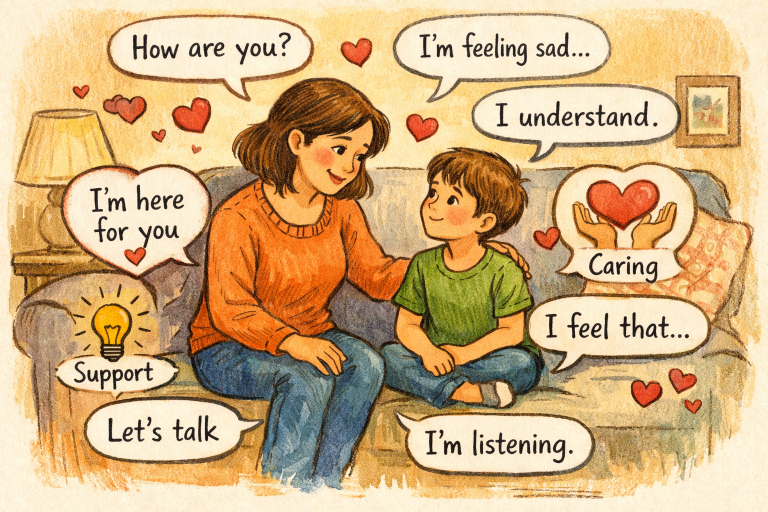
Understanding Emotional Intelligence
EI comprises several key components:
- Self-awareness – Recognizing one’s own emotions and understanding their impact.
- Self-regulation – Managing emotions in healthy and constructive ways.
- Motivation – Using emotions to drive goal-oriented behavior.
- Empathy – Understanding and responding to the emotions of others.
- Social skills – Effectively managing relationships, resolving conflicts, and collaborating with peers.
Fostering these areas from an early age equips children with the skills needed to navigate complex social situations, make informed decisions, and approach challenges with confidence. Developing EI is not a one-time activity but a continuous process that grows with guidance, experience, and reflection.
Practical Strategies for Parents and Caregivers
1. Model Emotional Intelligence
Children learn primarily through observation. Demonstrating healthy emotional expression and regulation in everyday situations sets a strong example. For instance, calmly discussing feelings during stressful moments teaches children constructive coping strategies and shows them that emotions can be managed thoughtfully.
2. Encourage Open Communication
Creating an environment where children feel safe to express their emotions is crucial. Ask open-ended questions such as, “How did that make you feel?” or “What were you thinking when that happened?” Encouraging children to verbalize their feelings helps them understand their emotions and develop problem-solving skills.
3. Teach Emotion Regulation Techniques
Children benefit from practical strategies to manage strong emotions. Techniques like deep breathing, counting to ten, or visualizing calming scenarios can help them respond rather than react impulsively. Regular practice of these techniques strengthens their ability to handle stress and frustration effectively.
4. Foster Empathy
Helping children consider others’ perspectives and feelings promotes empathy. Discussing the emotions of characters in books or stories, engaging in role-playing exercises, or reflecting on peers’ experiences helps children understand and value others’ emotions.
5. Promote Problem-Solving Skills
Guide children through identifying problems, brainstorming potential solutions, and evaluating outcomes. This approach empowers children to tackle conflicts independently and boosts confidence in their decision-making abilities.
The Role of Family Environment
A supportive and nurturing family environment is instrumental in the development of EI. Consistent routines, clear expectations, and positive reinforcement contribute to emotional security. Engaging in family activities that encourage emotional sharing, such as discussing daily experiences at the dinner table, practicing gratitude, or exploring creative expression together, strengthens children’s emotional awareness. When children feel safe and supported at home, they are more likely to develop resilience, self-confidence, and a sense of belonging.
Seeking Professional Support
While parents and caregivers play a central role in fostering EI, professional guidance can be invaluable. Consulting with a family and child psychologist provides tailored strategies to address specific challenges, reinforce positive habits, and strengthen family dynamics.
By accessing professional support, parents gain tools to address behavioral challenges, enhance communication, and foster emotional intelligence in ways that are developmentally appropriate and culturally sensitive.
Final Thoughts
Developing emotional intelligence in children is a lifelong journey that requires patience, consistency, and intentional practice. By modeling healthy behavior, fostering open communication, teaching regulation techniques, and nurturing empathy and problem-solving skills, parents and caregivers can provide a strong foundation for their child’s emotional and social well-being.
Partnering with expert providers like Parent and Child Psychological Services ensures that families receive guidance grounded in research and clinical experience.
By integrating these strategies and seeking professional support when needed, parents can empower their children with the emotional skills necessary to navigate life’s challenges, build meaningful relationships, and achieve long-term personal and academic success. Emotional intelligence is not just a skill; it is a foundation for a healthy, resilient, and fulfilling life.

