
Please read my disclosure policy to understand how I work with companies and individuals. Linking to a specific site does not imply endorsement of all of their services or content.
Key Takeaways
- First-time homebuyer programs can help eligible families overcome some of the financial barriers to homeownership.
- FHA, VA, USDA, and conventional mortgage options offer different benefits depending on a buyer’s circumstances.
- Down payment assistance programs may help with upfront expenses, but eligibility requirements vary by location.
- Newly constructed homes offer certain advantages, including modern layouts and updated building materials, but buyers should carefully compare costs.
- Understanding mortgage terms, closing costs, and long-term responsibilities can help families make informed decisions.
For many families, owning a home represents much more than having a place to live. It means putting down roots, creating memories, and establishing a sense of stability for the future. Whether you’re a young couple buying your first home, a single parent hoping to provide a permanent home for your children, or someone who’s spent years renting, homeownership can be an exciting goal.
Of course, purchasing a home also comes with financial challenges. Between saving for a down payment, qualifying for a mortgage, and finding a property within your budget, the process can feel overwhelming.
The encouraging news is that several homebuyer assistance programs and financing options may help make that dream more attainable. Understanding these resources is an important first step toward making a thoughtful, financially responsible decision.
Understanding the Challenges of Buying Your First Home
One of the biggest obstacles for first-time homebuyers is the upfront cost. While monthly mortgage payments may match rent in some areas, saving for a down payment and closing costs can take considerable time.
Buyers also need to consider property taxes, homeowners insurance, maintenance, and other expenses that accompany homeownership.
Fortunately, purchasing a home does not always require a 20% down payment. Depending on the mortgage program and the buyer’s qualifications, several financing options allow substantially smaller down payments.
Before beginning the search, it helps to understand what assistance may be available and how different programs work.
Government-Backed Mortgage Programs for First-Time Buyers
Government-backed mortgage programs can make homeownership more accessible for qualified buyers. Although the government generally does not lend money directly through these programs, its insurance or guarantees can help participating lenders offer financing with different qualification requirements.
FHA Loans
Federal Housing Administration (FHA) loans are a popular option for buyers with limited savings or less-than-perfect credit.
Eligible borrowers with qualifying credit scores may be able to purchase a home with a down payment as low as 3.5%. However, FHA loans also involve mortgage insurance, which increases the overall cost of borrowing.
These loans are not exclusively for first-time buyers, but they can be particularly helpful for people entering the housing market.
VA Loans
Eligible veterans, active-duty service members, and certain surviving spouses may qualify for VA-backed home loans.
One major advantage is that many eligible borrowers can buy a home with no down payment. VA loans also generally do not require monthly mortgage insurance, although a funding fee may apply unless the borrower qualifies for an exemption.
USDA Loans
For families interested in living in eligible rural or suburban communities, USDA-backed mortgages may offer another opportunity.
Qualified buyers who meet income, property, and other requirements may be able to obtain financing without a down payment. Because eligibility depends on both the household and the property’s location, checking the program’s guidelines is essential.
Conventional Mortgages
Some conventional mortgage programs also allow qualified buyers to make down payments as low as 3%.
These loans may be worth comparing with government-backed options, particularly for borrowers with strong credit histories. Mortgage insurance may be required when the down payment is less than 20%, but cancellation rules differ from those for FHA loans.
Down Payment Assistance and First-Time Homebuyer Grants
Beyond mortgage programs, many states, counties, cities, and housing organizations offer assistance designed to help eligible buyers manage upfront expenses.
These programs may offer grants, forgivable loans, deferred-payment loans, or other financial assistance.
Depending on the program, funds may be available for:
- Down payments
- Closing costs
- Required homebuyer education
- Other approved home-purchasing expenses
Not every assistance program provides money that buyers can keep without repayment. Some require repayment when the home is sold or refinanced, while others forgive the assistance after certain conditions are met.
Income limits, purchase price restrictions, occupancy requirements, and approved lender participation may also apply.
One useful starting point is the U.S. Department of Housing and Urban Development’s state resources, which can help buyers locate housing information and assistance programs in their area.
Exploring Newly Built Single-Family Homes
For first-time buyers, deciding between an existing property and a newly constructed home is another important consideration.
Both options have advantages, and the right choice depends on a family’s needs, finances, and long-term plans.
Potential Benefits of New Construction
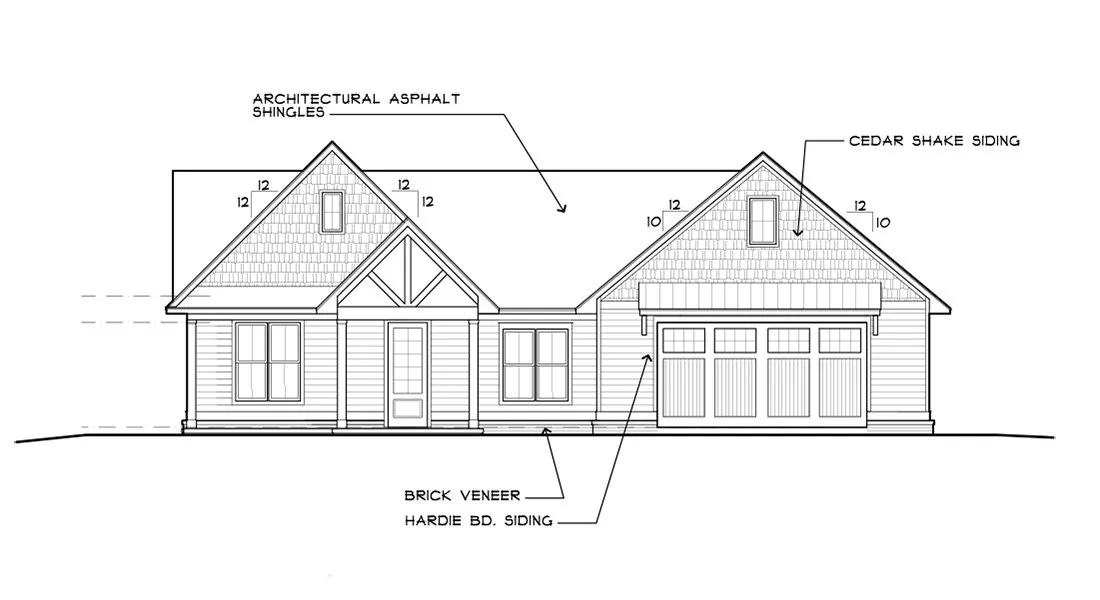
Newly built homes often feature modern floor plans, updated materials, and layouts designed for contemporary lifestyles.
Depending on the builder and property, buyers may appreciate:
- Updated electrical, plumbing, and heating systems
- Energy-efficient windows, insulation, and appliances
- Open living spaces and practical storage solutions
- New construction warranties
- Fewer immediate repairs associated with aging building components
For busy families, the possibility of moving into a home without immediately tackling major renovations can be especially appealing.
However, new construction does not automatically mean lower ownership costs. Buyers should evaluate construction quality, warranty coverage, property taxes, homeowners association fees, landscaping expenses, and any features that are not included in the advertised purchase price.
Finding a Home That Fits Your Family
When researching newly built single-family homes, consider more than the property’s appearance.
Think about the neighborhood, commute, nearby schools, available services, and how the home might accommodate changing family needs.
A house that looks beautiful in photographs may not necessarily be the best fit for everyday living. Visiting the neighborhood, reviewing the floor plan, and asking detailed questions about construction and ongoing expenses can help buyers make a more informed choice.
What First-Time Buyers Should Know About Mortgage Costs
Finding an affordable home is only one part of the process. Understanding how a mortgage affects your household budget is equally important.
Look Beyond the Monthly Payment
When comparing mortgages, it can be tempting to focus entirely on the monthly payment. However, the total cost of homeownership includes much more.
Important expenses may include:
- Mortgage principal and interest
- Property taxes
- Homeowners insurance
- Mortgage insurance, when required
- Homeowners association fees, if applicable
- Utilities, maintenance, and repairs
Creating a realistic budget that includes these expenses can help prevent financial strain after moving into a new home.
Compare Offers From Multiple Lenders
Mortgage interest rates and fees can vary between lenders, even when buyers apply for similar loan products.
Requesting and comparing official Loan Estimates can help you understand differences in interest rates, annual percentage rates (APR), closing costs, and projected payments.
The Consumer Financial Protection Bureau’s homebuying resources provide helpful information about understanding mortgage options and comparing loan offers.
Taking time to review the details may make a meaningful difference in the long-term cost of purchasing a home.
Common Mistakes First-Time Homebuyers Can Avoid
Buying a home is a significant financial commitment, and preparation can help make the experience less stressful.
1. Shopping Before Establishing a Budget
It’s easy to fall in love with a home before understanding what you can comfortably afford.
Review your household income, savings, existing debts, and regular expenses before beginning a serious property search.
2. Overlooking Closing Costs
Even buyers who qualify for low-down-payment mortgages generally need to plan for closing costs.
These may include appraisal fees, title services, lender charges, and prepaid expenses. Some assistance programs or negotiated seller contributions may help with eligible costs.
3. Making Major Financial Changes During the Loan Process
Taking on additional debt, opening new credit accounts, or changing employment circumstances can affect mortgage approval.
Before making significant financial decisions while applying for a loan, speak with your lender about how those changes might affect your application.
4. Skipping the Home Inspection
Even a newly constructed home can have defects or unfinished work.
An independent home inspection may help identify concerns before closing. Buyers should also review the builder’s warranty and understand what is covered.
5. Forgetting About Future Expenses
Homeownership comes with responsibilities that continue long after the purchase.
Setting aside money for maintenance, unexpected repairs, and other future expenses can provide an important financial cushion.
Planning for Long-Term Homeownership

Purchasing a home is not simply about qualifying for a mortgage. It’s about choosing a property and financial commitment that support your household’s needs over time.
For some families, that may mean purchasing a smaller starter home and building equity gradually. Others may prefer to wait, strengthen their savings, or improve their credit before buying.
There is no single timeline that works for everyone.
Consider how the home might fit your life five or ten years from now. Will there be enough space for a growing family? Is the location convenient for work and daily activities? Can your budget accommodate changes in income or unexpected expenses?
Thoughtful planning can help turn a major purchase into a more sustainable long-term investment.
Frequently Asked Questions About First-Time Homebuyer Programs
Do I need a 20% down payment to buy my first home?
No. Many mortgage programs allow qualified buyers to purchase a home with significantly less than 20% down. Some eligible borrowers may qualify for zero-down-payment financing through VA or USDA programs. Requirements vary by loan type and lender.
Can first-time homebuyer assistance be used for newly constructed homes?
Some assistance programs allow funds to be used toward eligible newly constructed properties. However, the home, builder, financing arrangement, and buyer must meet the program’s requirements. Always verify eligibility before committing to a purchase.
Are first-time homebuyer grants really free money?
Some grants do not require repayment when all program conditions are satisfied. Other assistance may be structured as a loan that must eventually be repaid or may be forgiven after a specified period. Read the terms carefully.
What credit score is needed to purchase a home?
Credit score requirements depend on the mortgage program, lender, and applicant’s overall financial situation. Some programs offer flexibility for borrowers with lower scores, while others have stricter requirements.
Is buying a newly constructed home better than purchasing an older home?
Neither option is automatically better. New construction may offer updated systems, modern designs, and warranty protection, while existing homes may provide different price points, established neighborhoods, or larger lots. Comparing the complete costs and benefits of each property is important.
Where can I find homebuyer assistance programs in my state?
Start with your state’s housing finance agency, local housing authorities, or a HUD-approved housing counseling agency. These organizations can help identify programs and explain eligibility requirements.
Final Thoughts: Taking the First Step Toward Homeownership
The dream of owning a home can feel distant when you’re facing rising housing costs, limited savings, or uncertainty about financing. Yet understanding the resources available to first-time buyers can make the process easier to navigate.
From government-backed mortgages and down payment assistance to researching new construction, several avenues are worth exploring.
Most importantly, remember that purchasing a home is not a race. The goal is to find a place where your family can feel comfortable, build memories, and enjoy greater stability without taking on financial obligations that stretch your budget too far.
With patience, research, and a realistic plan, you can take meaningful steps toward finding a home that fits both your dreams and your financial circumstances.

