
Please read my disclosure policy to understand how I work with companies and individuals. Linking to a specific site does not imply endorsement of all of their services or content.
Understanding Dignity in End-of-Life Care
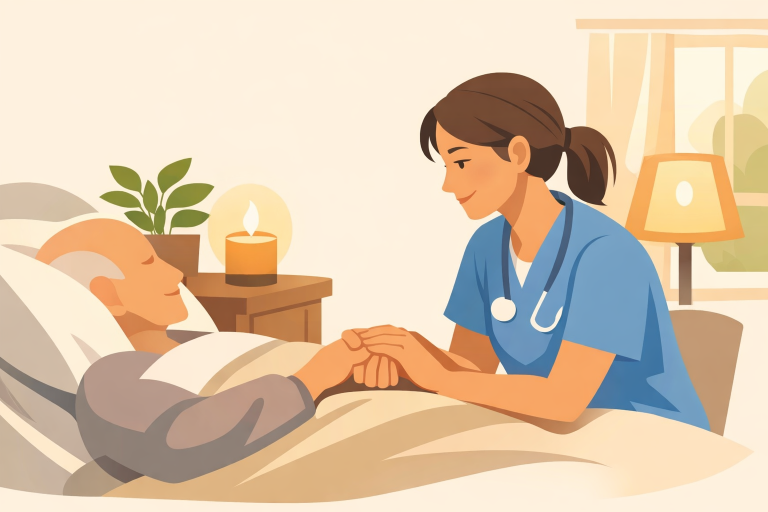
End-of-life care is a profound journey that requires a compassionate approach to ensure patients experience dignity and respect in their final days. Dignity in this context means recognizing the intrinsic value of each individual, honoring their wishes, and providing care that aligns with their personal beliefs and values. Organizations like Holistic Palliative Care in Oakland, CA, exemplify this commitment by offering holistic hospice care that integrates traditional pain management with alternative therapies, ensuring a comprehensive approach to patient well-being.
Key Components of Dignity-Focused Care
- Personalized Care Plans: Tailoring care to meet the unique needs and preferences of each patient.
- Emotional and Spiritual Support: Addressing not just physical symptoms but also providing emotional and spiritual guidance.
- Family Involvement: Engaging family members in the care process to ensure a supportive environment.
- Comfort and Pain Management: Prioritizing the alleviation of pain and discomfort to enhance quality of life.
Innovative Programs Promoting Dignity
Several initiatives have been developed to enhance dignity in end-of-life care. For instance, the 3 Wishes Program at UCLA Health focuses on fulfilling small, meaningful wishes for dying patients, thereby humanizing the experience and providing comfort to both patients and their families.
The Role of Holistic Approaches
Integrating holistic methods can significantly contribute to dignity-focused care. Practices such as Reiki and aromatherapy address the mind, body, and spirit, offering a comprehensive approach to patient well-being. These therapies can reduce anxiety, manage pain, and provide a sense of peace during the end-of-life journey.
Community-Based Efforts
Community initiatives play a vital role in promoting dignity in end-of-life care. Programs like the 3 Wishes Program at UW Medical Center involve healthcare teams in creating personalized experiences that honor patients’ lives and preferences, fostering a compassionate environment.
Expanding the Concept of Dignity
While dignity in end-of-life care encompasses respect, recognition, and compassion, it can also extend to practical aspects such as personal appearance, privacy, and self-determination. The ability for patients to choose the clothes they wear, control who is present at their bedside, or make decisions about everyday routines can deeply impact their sense of agency. Providing access to a calm, personalized environment, while avoiding unnecessary medical interventions, allows people to embrace their individuality in their final days.
Supporting dignity also means advocating for patients’ voices to be heard. This requires that caregivers—whether in hospitals, hospice centers, or patients’ homes—receive proper training in empathetic communication and cultural competency. Recognizing religious, spiritual, or cultural values that influence the dying process is key to fostering meaningful connections and reducing feelings of isolation or fear.
Advanced Directives and Empowering Choice
Empowering patients to draft advance directives or living wills is another critical facet of dignity-centered care. These legal documents allow individuals to specify their medical wishes, designate decision-makers, and express preferences for spiritual or cultural rituals. Advance care planning encourages open family conversations and clarity for loved ones, thus reducing stress during an already challenging time. Health professionals play a pivotal role by initiating these discussions early and informing patients of their rights and options in detail.
The Impact of Environment and Atmosphere
Physical surroundings can significantly shape the experience of end-of-life care. Quiet, softly lit rooms, soothing sounds, familiar scents, and cherished belongings can create a sense of comfort and serenity. Many hospices and palliative care organizations now incorporate healing gardens, art therapy spaces, or music therapy into their facilities. These additions not only support dignity but also encourage meaningful moments between patients and loved ones. In some programs, patients are invited to co-create memory books, legacy projects, or personalized music playlists, leaving a lasting impact on families.
Supporting Families and Caregivers
Dignity for the person facing the end of life is closely intertwined with supporting loved ones through their own journey. Bereavement counseling, caregiver support groups, and educational workshops equip families to navigate grief, process emotions, and care for themselves. Involving families in care planning, memorial services, and decision-making can also foster unity and promote collective healing. Compassionate organizations offer follow-up support to families for months after a loss, helping them honor memories and gradually find new meaning.
Challenges and Ethical Considerations
Providing dignity-focused care comes with challenges, including navigating complex ethical situations and ensuring that care decisions align with the patient’s wishes. It’s essential for healthcare providers to engage in open communication, respect patient autonomy, and develop policies that support ethical decision-making in end-of-life care.
Other challenges may arise from differing values between patients and providers, language barriers, or resource limitations. Balancing patient autonomy with clinical recommendations requires collaboration, transparent information sharing, and support for both families and healthcare teams during morally complex scenarios.
Holistic Palliative Care: A Commitment to Dignity
Organizations like Holistic Palliative Care in Oakland, CA, exemplify a commitment to dignity-focused end-of-life care. By offering holistic hospice care that includes traditional pain management alongside alternative therapies such as Reiki and aromatherapy, they address the comprehensive needs of patients. Their approach emphasizes comfort, quality time with loved ones, and a supportive environment, ensuring that patients receive compassionate care that honors their dignity.
Holistic Palliative Care’s interdisciplinary team—comprised of nurses, social workers, chaplains, and complementary therapists—prioritizes understanding each individual’s background, allowing for truly patient-centered planning. Whether providing bedside music, facilitating spiritual rituals, or ensuring the presence of beloved pets, they recognize the small details that are often most meaningful to patients and families.
Conclusion
Creating dignity-focused end-of-life care requires a multifaceted approach that includes personalized care plans, holistic therapies, community involvement, and ethical considerations. By prioritizing patients’ dignity, healthcare providers can offer compassionate, respectful care that honors each individual’s life and preferences.
Ultimately, dignity in end-of-life care reflects our shared humanity. Fostering this dignity is not only a gift to those nearing the end but also a legacy for loved ones and a model for compassionate healthcare practice.

