
Please read my disclosure policy to understand how I work with companies and individuals. Linking to a specific site does not imply endorsement of all of their services or content.
Table of Contents
- UV Protection
- Heat Reduction
- Glare Reduction
- Enhanced Privacy and Security
- Interior Preservation
- Improved Energy Efficiency
- Safety Benefits
- Types of Window Tint
- Conclusion
Automotive window tinting offers more than aesthetic appeal; it delivers a range of benefits that enhance your comfort, safety, and the preservation of your vehicle. Whether you are interested in protecting your interior, increasing privacy, or improving temperature control, the benefits of window tinting go far beyond what first meets the eye. For those considering extra protection, learning about ceramic coating for cars in Edison, NJ can offer additional ways to safeguard your car’s appearance and longevity.
The process of tinting car windows uses specialized film technology, engineered to address a wide range of challenges drivers face daily. From deterring harmful UV rays to reducing harsh glare, window tints have become a practical upgrade for anyone spending significant time on the road. Tints not only add a touch of style, but also actively improve the driving experience and enhance vehicle safety for you and your passengers.
As window tinting gains traction among vehicle owners, it is also important to consider how it fits into your broader vehicle protection strategy. For those looking to maximize both interior and exterior shielding, seeking out quality services from reputable sources such as local auto protection specialists can make a noticeable difference.
If you are searching for full-service care for your vehicle, exploring options like automotive ceramic coating near me can deliver long-lasting protection against weather, road debris, and sun exposure.
UV Protection
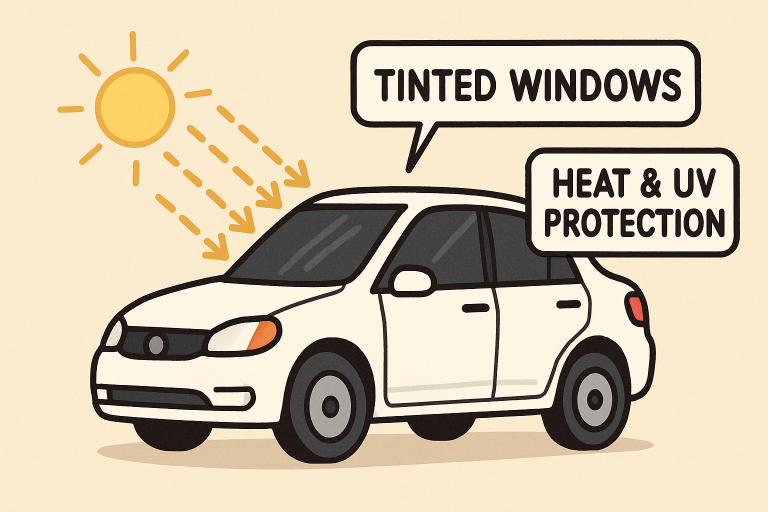
One of the leading reasons drivers choose automotive window tint is for superior UV protection. High-quality tints are designed to block up to 99% of the sun’s ultraviolet radiation, dramatically lowering the risk of skin damage for everyone inside the vehicle. Prolonged exposure to UV rays can increase the likelihood of skin aging and even skin cancer, making protective window films a wise choice for health-conscious individuals. The shielding effect also helps prevent your car’s interior from deteriorating under harsh sunlight, preserving seat fabrics and dashboard materials over time.
Heat Reduction
Few things make driving less comfortable than stepping into a stifling hot car in the summer. Window tint films can help reduce the intensity of solar heat that enters through the glass. This means you will enjoy a cooler cabin temperature and rely less on your air conditioning system, leading to lower fuel consumption. A vehicle with tinted windows can maintain a significantly cooler interior and provide a much more enjoyable ride, especially in intense sunlight or humid climates.
Glare Reduction
Glare from sunlight or oncoming headlights can create hazardous driving conditions by significantly impacting a driver’s visibility. Adding a tint to your car’s windows can filter out excessive brightness, reducing the risk of eye strain and helping you maintain focus on the road. Window tinting is especially beneficial during times of day when glare is most severe, such as early morning or late afternoon. According to the National Highway Traffic Safety Administration, glare is a leading factor in vision fatigue and unsafe driving, underscoring the practical safety role of tints.
Enhanced Privacy and Security
Privacy is a top priority for many vehicle owners. Tinted windows make it less likely that passersby or would-be thieves can see into your vehicle, helping shield both your valuables and loved ones from outside view. Additionally, many modern films are engineered to hold glass together if it shatters, helping prevent injuries from flying shards and making it more difficult for thieves to gain access during a break-in.
Interior Preservation
UV rays and intense heat can do serious damage to a vehicle’s interior, resulting in faded upholstery, cracked dashboards, and warped trim. Tinted window films act as a barrier, blocking the elements that lead to deterioration. This preservation effect extends the life and maintains the appearance of seats, interior panels, and dashboards, keeping your vehicle looking newer for longer.
Improved Energy Efficiency
When your car stays cooler thanks to effective tinting, your HVAC system doesn’t have to work as hard to regulate cabin temperature. This means not only more consistent comfort for passengers but also less wear and tear on your car’s air conditioning unit. Over time, greater energy efficiency leads to savings at the pump by minimizing fuel use for climate control.
Safety Benefits
Window films are engineered for strength and adhesion, which helps keep glass in place during collisions or accidents. In the event of a crash, tints can prevent windows from shattering into dangerous fragments, reducing the risk of injury. This increased resilience can add peace of mind for families and frequent travelers alike.
Types of Window Tint
Understanding window tint types is crucial for selecting the appropriate solution. Dyed film is economical and effective for glare reduction but offers limited heat rejection. Metalized film provides good heat and UV protection due to metallic particles, though it may interfere with electronics. Carbon film is durable, resists fading, and blocks heat and UV rays without affecting signals. Ceramic film excels in heat and UV blocking without electronics interference, making it the most durable yet usually more expensive option. Consider personal needs and local laws when choosing a tint type, and ensure professional installation for optimal results and compliance. Automotive window tinting enhances UV protection, heat management, glare reduction, privacy, and energy efficiency, making it a valuable investment in vehicle comfort and protection.
Conclusion
Automotive window tinting provides a comprehensive blend of protection, comfort, and functionality. From blocking harmful UV rays to reducing heat and glare, quality window films safeguard both occupants and your vehicle’s interior. Enhanced privacy, increased safety, and improved energy efficiency further add to the value, making every drive more secure and enjoyable. By selecting the right type of tint—whether dyed, metalized, carbon, or ceramic—and ensuring professional installation, drivers can enjoy long-term benefits, preserve their car’s appearance, and elevate overall driving comfort.

