
Please read my disclosure policy to understand how I work with companies and individuals. Linking to a specific site does not imply endorsement of all of their services or content.
Key Takeaways
- A zirconia fixed bridge can replace multiple missing teeth or, in some cases, an entire arch.
- Dental implants typically support this type of restoration.
- Zirconia is a durable, tooth-colored ceramic that can be customized to complement a natural smile.
- Not everyone is a candidate for implant-supported restorations, making a thorough dental evaluation important.
- Proper cleaning and regular dental appointments are essential for long-term care.
Our smiles are part of so many everyday moments. Whether we’re enjoying dinner with family, laughing with friends, or simply having a conversation, we don’t always realize how much we depend on our teeth until something changes.
Missing or damaged teeth can affect more than appearance. They may make certain foods hard to eat, change the way we speak, or leave us feeling less confident about smiling. Fortunately, modern dentistry offers several ways to restore missing teeth, including options that do not need to be removed every night.
One option to consider is a zirconia fixed bridge, an implant-supported restoration offered by Eric George DMD & Associates in Coventry, Rhode Island. Understanding how this treatment works can help patients ask better questions and make informed decisions about their dental health.
What Is a Zirconia Fixed Bridge?
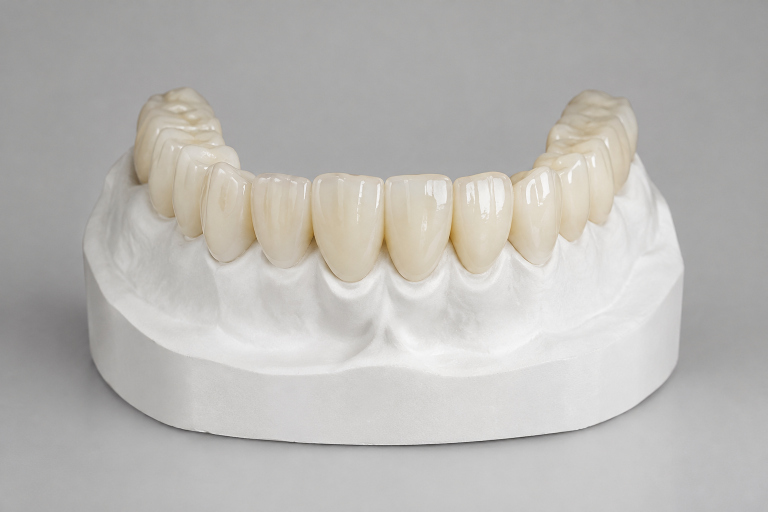
A zirconia fixed bridge is a dental restoration that replaces several missing teeth or an entire arch. It is typically attached to dental implants placed in the jawbone to provide a stable foundation.
Unlike traditional removable dentures, a fixed bridge stays in place during everyday activities. Patients clean around and beneath the restoration rather than removing it each evening.
Zirconia is a strong, tooth-colored ceramic used in many modern dental restorations. Its appearance can be customized to complement a patient’s facial features, remaining teeth, and desired smile.
However, choosing a restoration involves much more than selecting a material. Gum health, jawbone condition, bite alignment, and medical history all influence which treatment may be appropriate.
Why Do Patients Consider Implant-Supported Bridges?
For many people, replacing missing teeth is about regaining comfort and confidence in everyday life.
Removable dentures can be an effective solution, but some patients worry about movement, fit, or having to remove them for cleaning. Implant-supported bridges offer another possibility for individuals who prefer a fixed restoration.
Potential benefits include:
- Stability: Dental implants provide support for the restoration.
- Appearance: The bridge can be customized for tooth color, shape, and size.
- Everyday function: An appropriately designed restoration may improve comfort when chewing and speaking.
- Convenience: The bridge stays in place and doesn’t require nightly removal.
- Personalized design: The final restoration can be planned around the patient’s bite, facial proportions, and oral health needs.
Of course, no dental treatment produces identical results for everyone. The goal is to find an option that supports both oral health and the patient’s individual needs.
How Does Zirconia Compare With Other Tooth Replacement Options?
There isn’t one perfect solution for every person. Understanding the differences between available restorations is an important part of the decision-making process.
Zirconia Fixed Bridges
These restorations are typically supported by implants and made from custom ceramic. They provide a fixed option for eligible patients, but they still require careful cleaning and professional maintenance.
Traditional Removable Dentures
Dentures may be appropriate for patients who prefer a nonsurgical option or have other treatment considerations. They can replace multiple teeth but must be removed for routine cleaning and may require adjustments as the mouth changes.
Implant-Supported Acrylic Restorations
Another option involves implant-supported restorations made with acrylic materials. These may offer a different combination of appearance, cost, maintenance needs, and material characteristics.
A dental professional can explain the advantages and limitations of each approach based on a patient’s particular situation.
Who Might Be a Candidate for a Zirconia Fixed Bridge?
Someone with several missing teeth, severely damaged teeth, or difficulty wearing removable dentures may want to explore implant-supported options.
However, dental implants require careful planning. A dentist must evaluate several factors, including:
- The condition of the gums and remaining teeth.
- The amount and quality of available jawbone.
- Existing dental infections or untreated gum disease.
- Medical conditions and medications that could affect healing.
- Smoking habits and other lifestyle considerations.
- Bite alignment and the forces placed on the restoration.
Some patients may need additional treatment, such as extractions or bone grafting, before implants can be considered. Others may be better served by a different type of restoration.
This is why an individualized consultation is so important.
What Does the Treatment Process Involve?
Replacing missing teeth with an implant-supported bridge usually involves several stages. The exact process and timeline depend on the patient’s oral health and treatment plan.
1. Consultation and Evaluation
The dental team examines the teeth, gums, jawbone, and bite. Imaging and a review of medical history help determine whether implant-supported treatment is suitable.
2. Developing a Personalized Plan
If the patient is a candidate, the dentist explains the recommended procedures, expected timeline, restoration options, and estimated costs.
3. Implant Placement
Dentists surgically place dental implants in the jawbone when appropriate. Healing time varies, and some patients may require additional procedures.
4. Temporary Teeth and Healing
Depending on the treatment plan, we may provide temporary teeth while healing occurs and the permanent restoration is prepared.
5. Final Bridge Placement
The customized zirconia bridge is secured and evaluated for fit, appearance, speech, and bite alignment. Adjustments may be necessary to achieve the intended result.
6. Follow-Up Care
Regular dental visits help the team monitor the implants, surrounding tissues, and restoration over time.
What Does Research Tell Us About Zirconia?
Zirconia has gained attention in restorative dentistry for its strength, appearance, and potential for implant-supported prostheses.
Published systematic reviews have reported encouraging survival outcomes for zirconia-based restorations, including complete-arch implant-supported designs. However, the available research also identifies limitations, including differences in study quality, follow-up periods, and the types of restorations evaluated.
Complications can still occur. Restorations may experience material damage, mechanical problems, or issues involving the supporting implants and surrounding tissues.
Research findings help inform treatment options, but they cannot guarantee how long a particular restoration will last. Individual health, treatment planning, oral hygiene, and ongoing dental care all play important roles.
How Much Does a Zirconia Fixed Bridge Cost?
Cost is naturally an important consideration when deciding on dental treatment.
There is no universal price for a zirconia fixed bridge because treatment needs vary considerably.
Factors that may affect the overall cost include:
- The number of dental implants required.
- Whether teeth need to be extracted.
- Whether bone grafting or other preparatory procedures are needed.
- Temporary restorations used during treatment.
- The design and complexity of the final bridge.
- Laboratory work and follow-up appointments.
- Insurance coverage and available payment arrangements.
Patients should request a detailed treatment estimate and ask which services are included before committing to a procedure.
Caring for a Zirconia Fixed Bridge
Remember that replacing natural teeth does not eliminate the need for good oral hygiene.
Although zirconia itself cannot develop tooth decay, the surrounding gums and supporting implants still need consistent care.
General maintenance recommendations may include:
- Brushing twice daily with a soft-bristled toothbrush.
- Cleaning carefully around and beneath the restoration.
- Using interdental brushes, specialized floss, or a water flosser when recommended.
- Keeping regular appointments for professional examinations and cleanings.
- Avoiding habits such as chewing ice or biting hard, non-food objects.
- Contacting the dental office if you develop bleeding, discomfort, unusual movement, or other changes.
Your dental team can show you the cleaning techniques and tools best suited to your particular restoration.
Questions Worth Asking Before Making a Decision
When considering any significant dental procedure, I believe it makes sense to gather as much information as possible before moving forward.
Some helpful questions to bring to a consultation include:
- Am I a good candidate for dental implants?
- What other tooth replacement options should I consider?
- How many appointments will my treatment require?
- Will I need extractions or bone grafting?
- What should I expect during healing?
- What are the possible risks and complications?
- What is included in the estimated cost?
- How should I care for my restoration after treatment?
Patients should feel comfortable asking questions and understanding their options before deciding.
Frequently Asked Questions
Is a Zirconia Fixed Bridge Better Than Dentures?
Not necessarily. A fixed bridge may offer advantages for some patients, but removable dentures remain a good choice for many others. The best option depends on oral health, personal preferences, medical considerations, and budget.
Will a Zirconia Bridge Look Like Natural Teeth?
Zirconia can be customized for tooth color, shape, and appearance. A dentist and dental laboratory can work together to create a restoration that suits the patient’s smile and facial features.
How Long Does a Zirconia Fixed Bridge Last?
Longevity varies. The condition of the supporting implants, daily cleaning, bite forces, professional maintenance, and individual health all affect long-term outcomes. Repairs or replacement may eventually be necessary.
Does Implant Treatment Require Surgery?
Yes. Implant placement is a surgical procedure. Before treatment begins, the dental team should explain the process, potential risks, recovery expectations, and any alternatives.
Making an Informed Choice About Your Smile
Taking care of our teeth is an important part of overall well-being. The World Health Organization recognizes oral health as a key component of overall health and quality of life.
When teeth are missing or damaged, finding the right replacement can be a meaningful step toward improving everyday comfort and function.
A zirconia fixed bridge is one option worth exploring, especially for patients seeking an implant-supported alternative to removable dentures. Still, everyone’s needs are different, so a thorough examination is essential.
For those in the Coventry, Rhode Island, area, Eric George DMD & Associates can evaluate your needs and discuss whether a zirconia fixed bridge or another restorative approach may be appropriate.
The most important step is choosing a treatment plan that supports your health, fits your circumstances, and helps you feel confident about the decisions you’re making for your smile.

