
Please read my disclosure policy to understand how I work with companies and individuals. Linking to a specific site does not imply endorsement of all of their services or content.
Key Takeaways
- Simple bathroom improvements can make daily routines safer and more comfortable for the entire family.
- Walk-in showers, grab bars, and built-in seating can help address common accessibility concerns.
- Better lighting, slip-resistant surfaces, and thoughtful storage can reduce everyday hazards.
- Bathroom safety features do not have to sacrifice attractive, welcoming design.
- Some households benefit from small updates, while others may find a focused bathroom remodel more practical.
Our homes should be places where we feel comfortable, secure, and able to enjoy everyday life. Yet sometimes, the rooms we use most frequently are the ones we overlook when thinking about safety. The bathroom is a perfect example.
Whether we are helping aging parents remain independent, preparing our homes for changing mobility needs, or simply looking for ways to make life easier for our families, bathroom safety deserves thoughtful attention.
The good news is that creating a safer bathroom doesn’t necessarily mean a complete renovation. Sometimes, a few practical changes can make a noticeable difference. Other situations may call for a more substantial update that improves accessibility, comfort, and long-term convenience.
Why Bathroom Safety Matters for Every Household
When we think about bathroom safety, we often think of older adults. While aging in place is certainly an important consideration, a thoughtfully designed bathroom can benefit people of all ages.
Children, individuals recovering from surgery, family members with temporary injuries, and anyone experiencing balance or mobility challenges may benefit from safer bathroom features.
Bathrooms also present some unique challenges. Water, slippery surfaces, limited space, and frequent position changes can make everyday activities harder than we realize.
Something as simple as stepping over the side of a bathtub or reaching for a towel can become a concern when someone is tired, uncomfortable, or unsteady.
Instead of waiting for an accident, homeowners can take a proactive approach by identifying potential hazards and making improvements that support their families’ needs.
Start With a Bathroom Safety Assessment
Before purchasing new fixtures or planning a renovation, spend a little time evaluating how your bathroom functions during an ordinary day.
Consider who uses the space and whether their needs might change over time.
The National Institute on Aging offers helpful information about preventing falls and recognizing common household hazards.
As you look around your bathroom, consider these questions:
- Is it difficult for anyone to step into or out of the bathtub?
- Are the floors slippery when wet?
- Is the lighting adequate for nighttime bathroom visits?
- Are frequently used products easy to reach?
- Does anyone rely on a towel rack, sink, or shower door for balance?
- Would a shower seat or additional support make bathing more comfortable?
These questions can help identify areas where simple changes or more substantial improvements may be worthwhile.
Consider a Walk-In Shower for Easier Access
One of the most significant bathroom challenges for some households is stepping over a traditional bathtub wall.
For someone dealing with limited mobility, joint discomfort, or balance concerns, this everyday movement can become increasingly difficult.
A walk-in shower with a lower entry threshold may offer a more convenient alternative. Depending on the existing bathroom layout, a tub-to-shower conversion can also provide additional room to move comfortably.
For homeowners considering a more substantial improvement, Jacuzzi Bath Remodel’s bath remodel near me services offer a worthwhile option. The company focuses on bathtub and shower replacements, tub-to-shower conversions, and bathing-area improvements, with authorized local dealers installing in participating service areas.
When comparing remodeling options, look beyond appearance. Consider how easily family members can enter the shower, reach the controls, and move around the space.
A handheld showerhead can also be practical, especially when paired with a shower seat. It allows users to direct the water where needed without unnecessary reaching or movement.
Of course, a walk-in shower is not automatically the best choice for every family. Households with young children or family members who enjoy soaking in a bathtub may prefer to keep at least one traditional tub.
The best solution fits the people who actually use the bathroom.
Install Grab Bars Where Support Is Needed
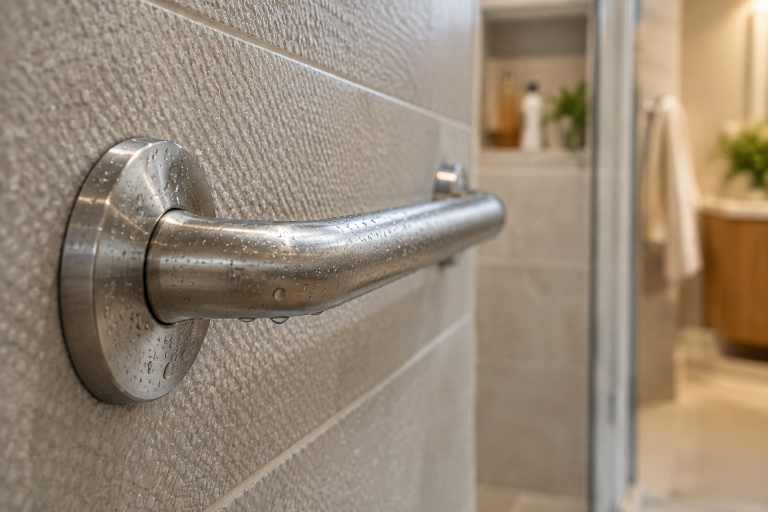
Grab bars are among the most practical bathroom safety features, but homeowners sometimes overlook them because they worry they will make the space look institutional.
Fortunately, today’s options include a variety of finishes and styles that can coordinate with other bathroom fixtures.
Properly installed grab bars can provide additional support near:
- The shower or bathtub entrance
- Areas where someone enters or exits the bathing space
- The toilet
- Locations where a person needs to change position or maintain balance
The Centers for Disease Control and Prevention includes bathroom safety improvements among its recommendations for helping older adults reduce fall risks.
It is important to remember that towel bars, shelves, and decorative fixtures are not substitutes for properly installed grab bars.
Select and secure support hardware according to the manufacturer’s instructions and the needs of the person using it. Professional installation can help ensure that the bars are positioned appropriately and attached to suitable structural support.
Make Bathing More Comfortable With Shower Seating
Standing throughout an entire shower may not be comfortable or practical for everyone.
For someone recovering from an injury, managing fatigue, or experiencing joint discomfort, a shower seat can make bathing less physically demanding.
Built-in benches and fold-down seats are two options homeowners may want to explore.
Before choosing a seat, consider:
- Whether the seat provides enough room and support for the intended user
- How easily the shower controls can be reached
- Whether a handheld showerhead would improve convenience
- How the seating arrangement affects entry and movement
- Whether the materials are appropriate for regular moisture exposure
A well-planned seating area can support comfort without making the bathroom feel crowded.
Pay Attention to Flooring and Lighting
Not every bathroom safety improvement requires replacing a bathtub or shower.
Sometimes, the smaller details deserve just as much attention.
Choose Slip-Resistant Surfaces
Wet floors can create hazards, especially when someone steps out of the shower or moves around the bathroom.
Consider shower bases and flooring designed with slip resistance in mind. Secure, non-skid mats can also help when used appropriately.
Remove or replace loose rugs that slide, bunch up, or curl around the edges with safer alternatives.
Improve Everyday Visibility
Good lighting makes a bathroom easier to navigate, especially in the early morning and at night.
Bright, even lighting around the vanity and bathing area can improve visibility without creating uncomfortable glare.
Motion-activated nightlights may also help family members who frequently get up after dark.
Think about the entire route from the bedroom to the bathroom. A clear, well-lit path is just as important as the lighting inside the room.
Choose Materials That Are Easier to Maintain
Bathroom improvements should make everyday life easier, not create an entirely new list of cleaning responsibilities.
For busy families, low-maintenance materials can be especially appealing.
Wall surrounds with fewer grout lines, moisture-resistant finishes, and accessible storage can simplify routine bathroom care.
When comparing products, ask about cleaning recommendations, durability, warranty coverage, and the maintenance required to keep the materials looking their best.
Thoughtful storage can also make a difference. Recessed shower niches, reachable shelves, and organized vanity drawers help keep toiletries within easy reach and reduce unnecessary clutter.
The goal is to create a bathroom that is practical to use and manageable to maintain.
Remember That Safety and Style Can Work Together
One encouraging thing about modern bathroom design is that you can incorporate accessibility features without sacrificing personality or comfort.
A bathroom can be both functional and beautiful.
Coordinated fixtures, attractive lighting, warm colors, and carefully selected materials can create an inviting atmosphere while still supporting safety.
For example, grab bars that match the faucet finish can feel like a natural part of the design. A built-in shower bench can coordinate with surrounding wall materials, while a thoughtfully positioned handheld showerhead can complement the overall layout.
Instead of treating accessibility as an afterthought, homeowners can build it into their design decisions from the start.
Know When Small Improvements Are Enough
Every bathroom is different, and not every household needs a complete remodel.
For some families, a few inexpensive changes may address the most immediate concerns.
Simple improvements might include better lighting, reducing clutter, replacing slippery rugs, or adding properly installed grab bars.
Moderate updates could involve installing a handheld showerhead, improving storage, adding appropriate shower seating, or replacing worn flooring.
A focused remodel may be worth considering when the existing bathtub is difficult to access, the shower feels cramped, or smaller changes can’t address several accessibility concerns.
Taking time to identify the real problems can help homeowners avoid spending money on improvements that don’t meet their needs.
Questions to Ask Before Hiring a Bathroom Remodeling Professional
If you decide that a larger project is the right choice, take time to compare your options and ask detailed questions.
A reputable remodeling professional should explain the proposed work, discuss available features, and provide a clear written estimate.
Helpful questions include:
- What parts of the existing bathroom will be replaced or modified?
- Which accessibility features are available for this particular space?
- How will grab bars and seating be installed and supported?
- What materials do you recommend for the shower walls and flooring?
- What does the installation estimate include?
- How will cleanup and any necessary finishing work be handled?
- What product and installation warranties are available?
- Are there any limitations related to the existing plumbing or bathroom layout?
Clear answers before work begins can make the remodeling process more manageable and help prevent later misunderstandings.
Frequently Asked Questions About Bathroom Safety
What is the easiest way to make a bathroom safer?
Begin by addressing obvious hazards such as poor lighting, loose rugs, cluttered floors, and slippery surfaces. Depending on the household’s needs, professionally installed grab bars may also be an important improvement.
Is a walk-in shower a good choice for older adults?
A walk-in shower with an appropriately designed entry can make bathing more accessible for some older adults, particularly those who have difficulty stepping over a bathtub wall. Individual mobility needs, layout, and available support features should guide the decision.
Do I need to remodel my entire bathroom to improve accessibility?
Not necessarily. You can make many useful changes without a full renovation. However, if the existing layout creates ongoing challenges, a focused remodel may provide a more practical long-term solution.
Can bathroom safety improvements increase convenience for the whole family?
Absolutely. Better lighting, easier-to-reach storage, handheld showerheads, and thoughtfully designed bathing areas can benefit people of different ages and abilities.
How can I make an accessible bathroom look attractive?
Choose coordinated finishes, practical storage, complementary colors, and fixtures that suit the overall design. Incorporating safety features during the planning stage can help the finished bathroom feel cohesive and welcoming.
Creating a Bathroom That Works for Your Family
Making our homes safer is one practical way we can care for ourselves and the people we love.
A bathroom that once worked perfectly may need adjustments as our families grow, our circumstances change, or loved ones require additional support.
Fortunately, improving bathroom safety does not have to mean sacrificing comfort, style, or convenience. Whether you start with better lighting and a few carefully chosen accessories or invest in a more accessible bathing area, thoughtful improvements can make everyday routines easier.
Take time to consider what your household needs today, while also thinking about what might help in the years ahead.
After all, a welcoming home isn’t just one that looks beautiful. It helps the people living there feel comfortable, supported, and cared for.

